
England and Wales is not a country, and it is not two countries either — it is one legal jurisdiction, and that single fact explains more about how these nations function than any anthem or map. A solicitor admitted in Swansea can file papers in a court in Norwich without a second qualification. A judge in Leeds applies the same case law as a judge in Caernarfon, and the courts of England and Wales share one appellate structure that ends at the Supreme Court in London. England and Wales together hold roughly 58 million people。about 90 percent of the UK population, which is why so much of what outsiders call "British law" is really English and Welsh law wearing a broader label. It is an old arrangement, dating to the Laws in Wales Acts of 1535 and 1542, and it has outlasted every attempt to tidy it up.
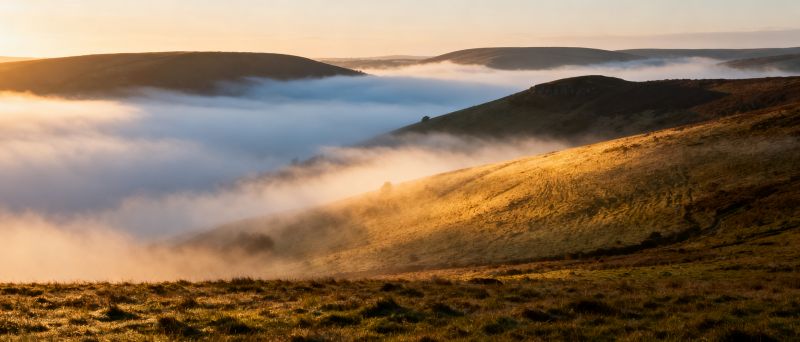
Geography sets the tone long before politics does. England packs around 56.5 million people into just over 130,000 square kilometres;Wales holds about 3.1 million in a little over 20,000. That density gap — roughly 434 people per square kilometre against 150 — surfaces in odd places: the price of a terraced house in Bristol, the empty single-track lanes of mid-Wales, the fact that the fastest train from London to Cardiff covers the distance in under two hours while a bus across Ceredigion can eat an afternoon. Offa's Dyke, an eighth-century earthwork, still reads as a line on satellite imagery。yet the border between England and Wales is really an economic one now. Commuter belts around Chester, Shrewsbury and Chepstow blur it so thoroughly that plenty of residents could not tell you which side they sleep on.Devolution made the two nations politically distinct without ever making them legally separate. The Senedd in Cardiff Bay has held primary lawmaking powers since 2011 and now sets the default speed limit on restricted roads at 20mph。keeps prescriptions free, and runs its own curriculum. England has no parliament of its own;English MPs legislate for England inside Westminster, an arrangement that has never quite settled. In 2019 the Thomas Commission recommended devolving policing and justice to Wales, as Scotland and Northern Ireland already have. Westminster has not moved. That mismatch — full control over schools and hospitals, almost none over courts and prisons — is the sharpest constitutional question in England and Wales today, and it is discussed far more often in Cardiff than in London.
The 2021 census was taken jointly across England and Wales, and the results read like two countries sharing one questionnaire. Roughly two-thirds of people in Wales described their identity as Welsh only;in England a smaller share claimed English only, with Britishness doing more of the work. Welsh-language speakers numbered about 538,000。or 17.8 percent of the population aged three and over, a figure nudging upward among the youngest cohorts largely because Welsh-medium schools now teach around a quarter of pupils. I have stood in a Cardiff café where staff moved between three languages without breaking stride, and in a Herefordshire pub where the only Welsh thing in sight was a rugby match on the television. Both places felt like the same country until the details arrived.What holds the arrangement together is infrastructure and habit rather than sentiment. Shared courts, shared rail franchises, a joint census, an intertwined labour market that pulls thousands of commuters across the Severn every weekday morning. Scotland and Northern Ireland complicate the union by insisting on their own parliaments and legal codes;
England and Wales complicate it by refusing to split. Whether that lasts depends on whether Westminster eventually hands Wales the justice powers it has been promised since 2019. My own guess is that it happens slowly and quietly, and that nobody will call it a revolution — the courts will simply begin citing Welsh statutes the way they already cite Welsh planning policy。and one morning it will be normal.